Source Disposable Household Spray Mop for Cleaning
Explore 30 options for the disposable household spray mop, featuring varying capacities, wringing methods, and materials. Compare specifications like dehydration rates and head shapes to find the right fit for your sourcing needs; compare the available evidence and request quotations based on your requirements.
Key considerations
Products List
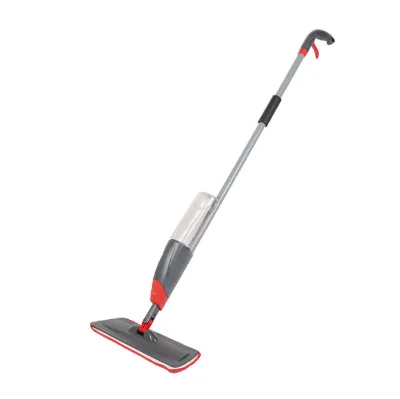


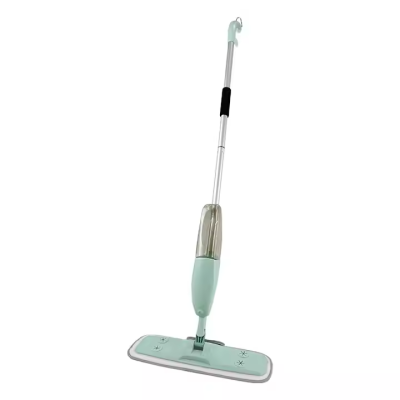
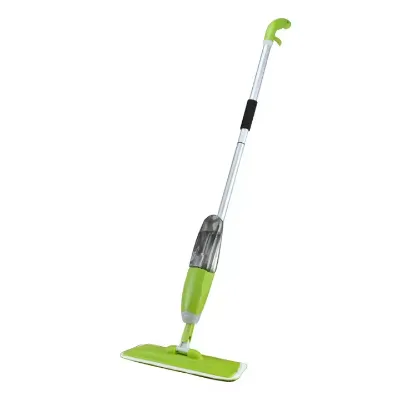


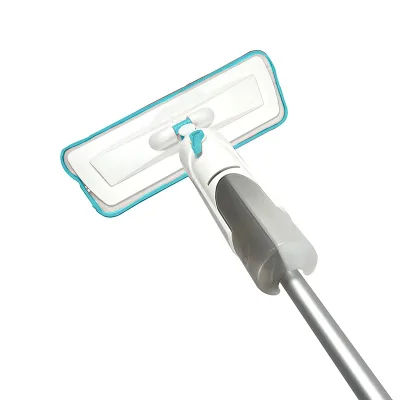


Comprehensive Sourcing Guide
Disposable Household Spray Mop Sourcing Guide
The disposable household spray mop market presents a distinct category where single-use or limited-life mop heads are integrated with reusable spray mechanisms for efficient floor maintenance. Buyers must distinguish between products designed for true disposability and those offering replaceable heads with high absorption rates, as observed listings show varying dehydration capabilities ranging from 50% to 90%. This distinction is critical for procurement strategies targeting commercial cleaning contracts versus residential retail, where the balance between waste reduction and cleaning efficacy dictates the final selection.
Sourcing decisions should prioritize the specific mechanical features observed in current listings, such as sliding-type wringing mechanisms or four-side wringing types, which directly impact the longevity of the mop head and the consistency of the cleaning result. While some models feature a metal basket and pedal for heavy-duty use, others rely on a general rod with a plastic tray, necessitating a clear definition of the intended usage environment. Procurement teams must verify if the product is marketed for home space usage or commercial applications to ensure the selected unit aligns with the durability expectations of the end-user.
Product Scope and Observed Listing Signals
Current market listings for spray mops reveal a wide spectrum of configurations, including models with a 600ml bottle capacity alongside others capped at 301-500ml, which influences the frequency of refilling required during large-scale cleaning operations. The observed packaging often includes multiple mop heads, such as sets with three heads, while other listings specify single-item selling units with only one included head. Buyers must carefully scrutinize these packaging details to calculate the true cost per cleaning cycle and avoid underestimating the recurring expense of replacement consumables.
Physical dimensions and weight are significant factors in the product scope, with observed lengths consistently around 128cm and weights varying from lightweight 17g heads to full units under 2kg. The shape of the mop head, whether rectangular or triangular, dictates the ability to clean corners and tight spaces, a feature that is particularly relevant for commercial environments with complex floor plans. Procurement teams should verify the handle type, noting the prevalence of foldable designs that facilitate storage and transport, ensuring the selected product meets the logistical constraints of the distribution channel.
Technical Specifications to Verify
Verification of the mop rod load-bearing capacity is essential, as observed data indicates a limit of less than 10kg, which may restrict the force a user can apply during aggressive scrubbing without risking structural failure. The pole material, ranging from steel to aluminum, directly correlates with the overall durability and resistance to corrosion, especially in wet commercial environments. Buyers must confirm the specific material composition to ensure the product can withstand the mechanical stress of daily use without bending or breaking under typical operational loads.
The dehydration rate and absorption speed are critical performance metrics that define the cleaning efficiency of the disposable mop head. Listings show absorption times of less than 10 seconds and dehydration rates varying significantly between 50-60% and 80-90%, which impacts how quickly a floor dries and how much liquid is retained in the mop head. Procurement teams must validate these figures against the specific cleaning requirements of the target market, as a lower dehydration rate may lead to wet floors and potential safety hazards in high-traffic areas.
Compliance and Safety Documentation
While specific certification statuses like ISO9001 or ISO14001 are mentioned in background contexts, buyers must request explicit proof of compliance for any product claiming adherence to international safety standards. The absence of guaranteed certification data in the provided facts necessitates a rigorous request for documentation regarding material safety, particularly for components made of plastic and stainless steel that come into direct contact with cleaning solutions and floors. Ensuring that the materials used do not leach harmful substances is a fundamental requirement for products intended for household and commercial use.
Safety documentation should also address the mechanical integrity of the spray mechanism and the wringing system, which involves moving parts like pedals and sliding mechanisms. Buyers need to verify that the product design minimizes pinch points and that the plastic tray and metal basket components are securely assembled to prevent accidental detachment during operation. Requesting test reports for the durability times, which can exceed 20,000 cycles for certain models, helps confirm that the product meets the safety and reliability expectations for long-term deployment in professional settings.
Cost Drivers and Commercial Terms
The cost structure of disposable household spray mops is heavily influenced by the complexity of the wringing mechanism and the material quality of the mop head, with options ranging from simple plastic heads to microfiber variants. The observed MOQ range of 1 to 30,000 units allows for flexibility, but buyers must negotiate terms that balance inventory costs with the need for consistent supply, especially when dealing with consumable mop heads that require frequent replenishment. Understanding the unit price variance between single-item packs and bulk carton configurations, such as 12 pieces per carton, is vital for accurate budgeting.
Commercial terms must clearly define the sample availability and the customization options for logos and packaging, as these factors can significantly impact the final landed cost. The ability to customize the product, including color and logo design, adds value but may introduce additional lead times and minimum order thresholds. Buyers should clarify the packaging specifications, such as color card packaging versus standard cartons, to ensure that the presentation aligns with the brand identity and retail requirements of the target market.
Supplier Qualification and Quality Control
Supplier qualification should focus on the manufacturing location and the consistency of production output, with observed origins in Zhejiang and Shanghai indicating established manufacturing hubs in China. Buyers must assess the supplier's capacity to maintain consistent quality across large production runs, particularly regarding the assembly of the metal basket, pedal, and rod components. Verifying the supplier's track record for delivering products with the specified dimensions, such as the 141.54319cm measurement, ensures that the physical product matches the technical specifications provided in the listing.
Quality control protocols must include rigorous testing of the mop head material and the rod's load-bearing capacity to prevent premature failure in the field. Suppliers should demonstrate a clear process for inspecting the dehydration rate and absorption speed of each batch, as these are key performance indicators for customer satisfaction. Establishing a clear communication channel for reporting defects and requesting replacements is essential, especially when dealing with products that have a high volume of consumable components like mop heads.
Long-Term Procurement Checks
Long-term procurement strategies require regular audits of the product's durability and performance consistency over time, specifically monitoring the durability times which are claimed to reach 20,000 cycles or more. Buyers should implement a feedback loop with end-users to track any issues related to the handle type, such as the foldable mechanism, or the wringing method, ensuring that the product continues to meet operational standards as it ages. This proactive approach helps identify potential design flaws before they result in widespread returns or reputational damage.
Sourcing teams must also monitor the supply chain for changes in material availability, particularly for plastic and stainless steel components, which can affect production costs and lead times. Regular reviews of the supplier's ability to meet the specified MOQ and delivery schedules are necessary to maintain a stable inventory of both the spray mop units and the replacement mop heads. By maintaining a dynamic relationship with the supplier, buyers can adapt to market fluctuations and ensure a continuous supply of high-quality cleaning equipment.
FAQs
What is the typical bottle capacity for a magic spray mop?
The bottle capacity is generally 600ml for the magic spray mop variant. This volume supports extended cleaning sessions without frequent refills. Some models offer a 301-500ml capacity range. Buyers should verify the specific capacity against their cleaning needs. The design ensures efficient water distribution during use.
How does the wringing mechanism work on this mop?
The wringing method is typically a sliding type for the magic spray mop. This mechanism allows for easy manual operation. Some variants feature a four-side wringing type for better dehydration. The dehydration rate can reach 50-60% or up to 80-90%. This ensures mops are not overly saturated during cleaning.
Can the mop handle be folded for storage?
Yes, the handle type is foldable for convenient storage. This feature reduces the overall footprint when not in use. The length is approximately 128cm when extended. The foldable design makes it suitable for home spaces with limited storage. It is easy to collapse and store in closets.
What materials are used for the mop head?
The mop head material is often plastic or microfiber depending on the model. Microfiber heads offer better absorption and dust trapping. Plastic heads may be used for specific durability requirements. The head shape is rectangular or triangle for corner cleaning. These materials are chosen for effective surface cleaning performance.
What is the weight of the mop head component?
The mop head weight is approximately 17g or 0.60oz. This lightweight design reduces user fatigue during extended cleaning. The total product weight is under 2kg. The light head allows for easy maneuverability on various floor types. It is designed for comfortable daily household use.
Is customization available for the brand logo?
Yes, logo design customization is available for buyers. This allows for private labeling and brand integration. The product supports custom branding on the packaging or handle. Buyers should contact suppliers for specific customization options. This service is ideal for retailers and distributors seeking branded products.